Product Overview: Content Management System
Budget: $1,500,000
Reach: 150,000 developers
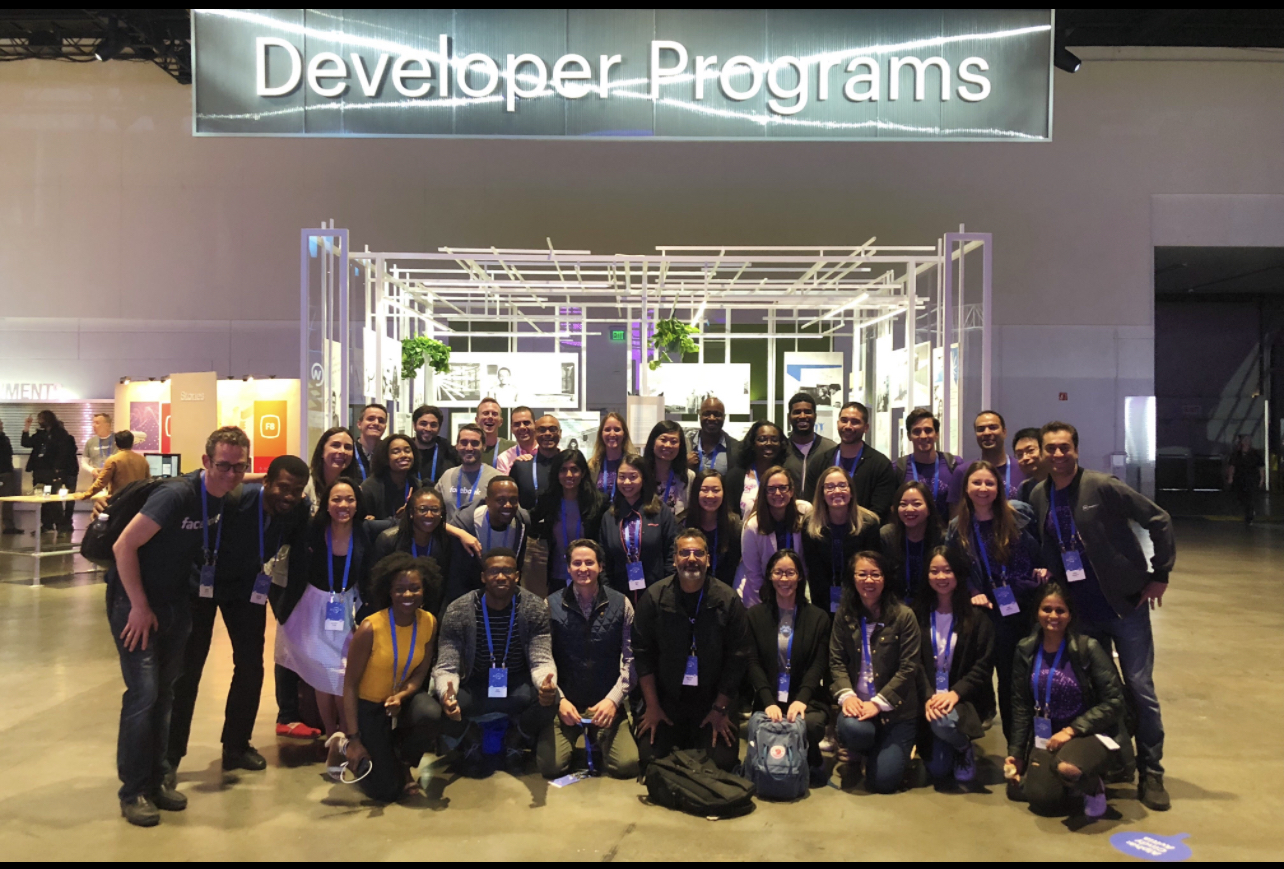
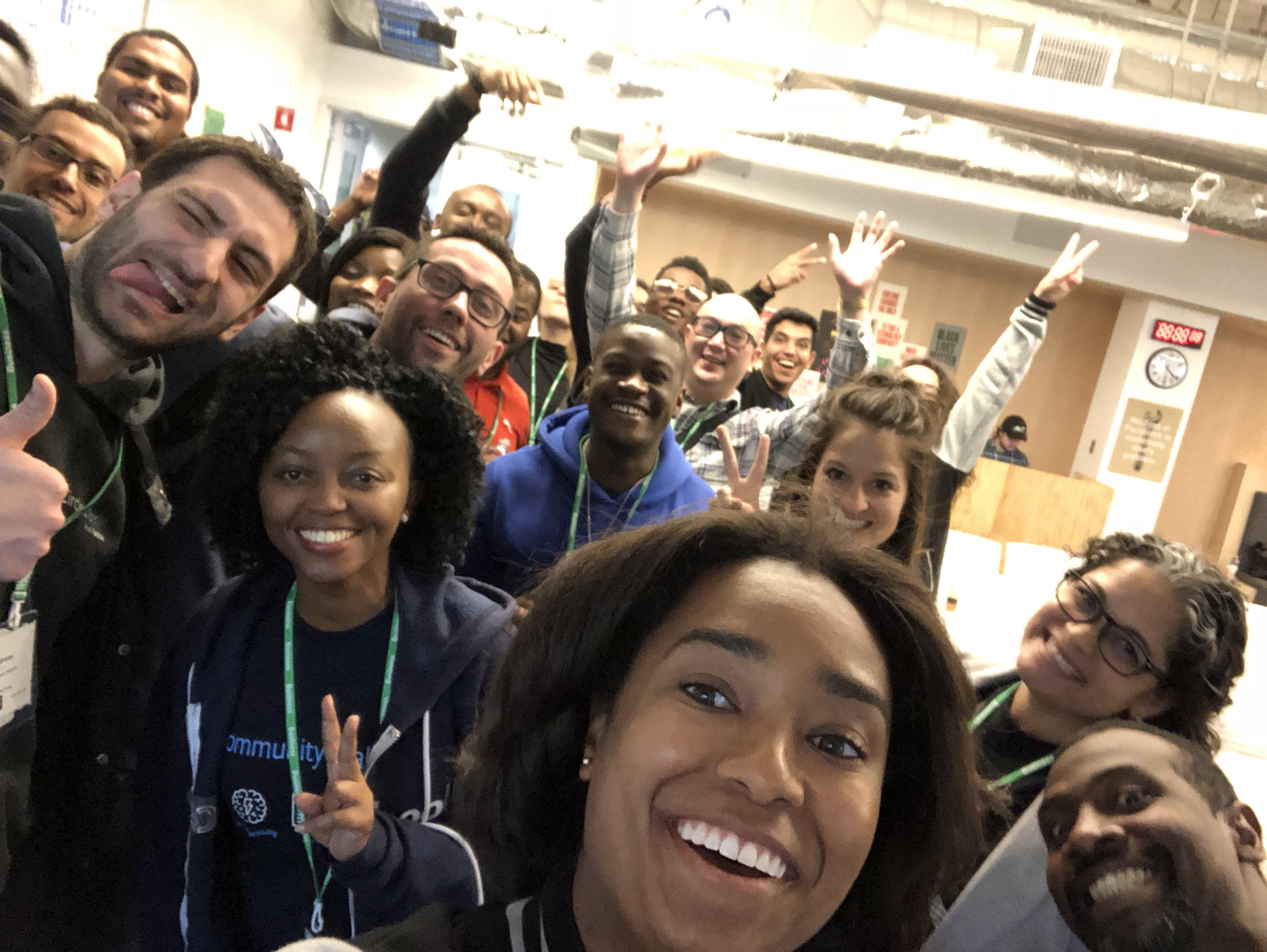
If you are a member of the developer circles group and you were in attendance when this product was in beta and I presented it live to you, thank you for your support of all of my work. -^_^-
An image of the group of developers who came to Mountain View, CA (MTV) from all over the world to learn about the CMS
The purpose of the Content Management System (CMS)
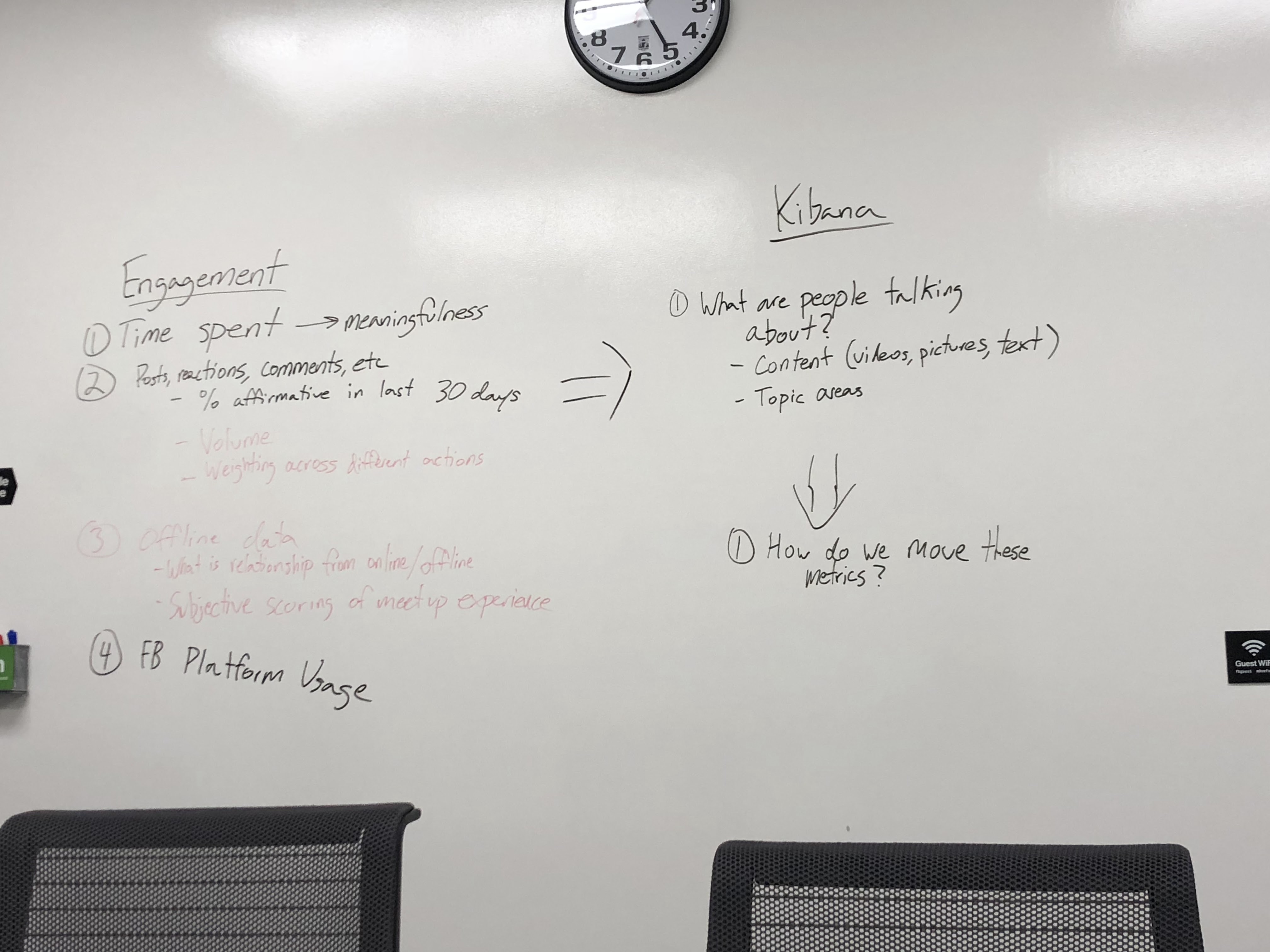
International developers trying to improve the technology stack in their current roles of skill up to get into development roles were looking for content online but it was difficult to find. There were platforms like Coursera, and Udacity but these programs were not specific enough for web developers at the time and did not have enough content for deep learning or machine learning engineers. After conducting the Field Research Study and exploring meaningful engagement in onine groups it became clear that content was the missing piece we needed to properly support developers.
You should read the following to understand the user research and analysis that went into developing this product and how we validated its use case
What is the CMS?
Here are the main features of the product
- Struggling to find content for offline meetups
- Content aggregation
- learning paths (7)
- fundamentals, web development, data careers - focused on skills for the job
- authoring, take content offline and put in online like a slide-deck
- utilizing facebook groups on platform to build learning modules
The skills gap
Being a software engineer at a large American enterprise company and being a developer working at a small company is very different and many of the developers who were learning via the Dev-C community were using the groups to grow their skills as engineers. There are a lot of other programs that provide training for software engineering skills but we did want to improve the accessibility of the Facebook API and the way that developers were able to consume the available platform APIs.
Kaplan + DevBootcamp Curriculum
I attended a web development bootcamp called Dev Bootcamp which I have written about here. It was a three month intensive project based learning program that introduces new developers to the world of software engineering and web development generally. It takes years to hone a craft like engineering but in a few months you can develop a genera enough knowledge base to be somewhat effective and start knocking out debugging tasks on some team.
The bootcamp wasn’t around very long and has since shut down, and sold the intellectual propery to Facebook. My team purchase the intellectual property and planned to use it to share with the online community of software engineers in Dev-C groups.
Who built the CMS?
We hired a software development shop to build the platform, an external platform (accessible outside of Facebook general paltform) and I managed the development cycle of thi team. I was in charge of the project planning and learning path sequence and creation. There was a log of design in this process.
The team:
- 5 engineers
- 1 user experience designer
- 1 database administrator
The design process
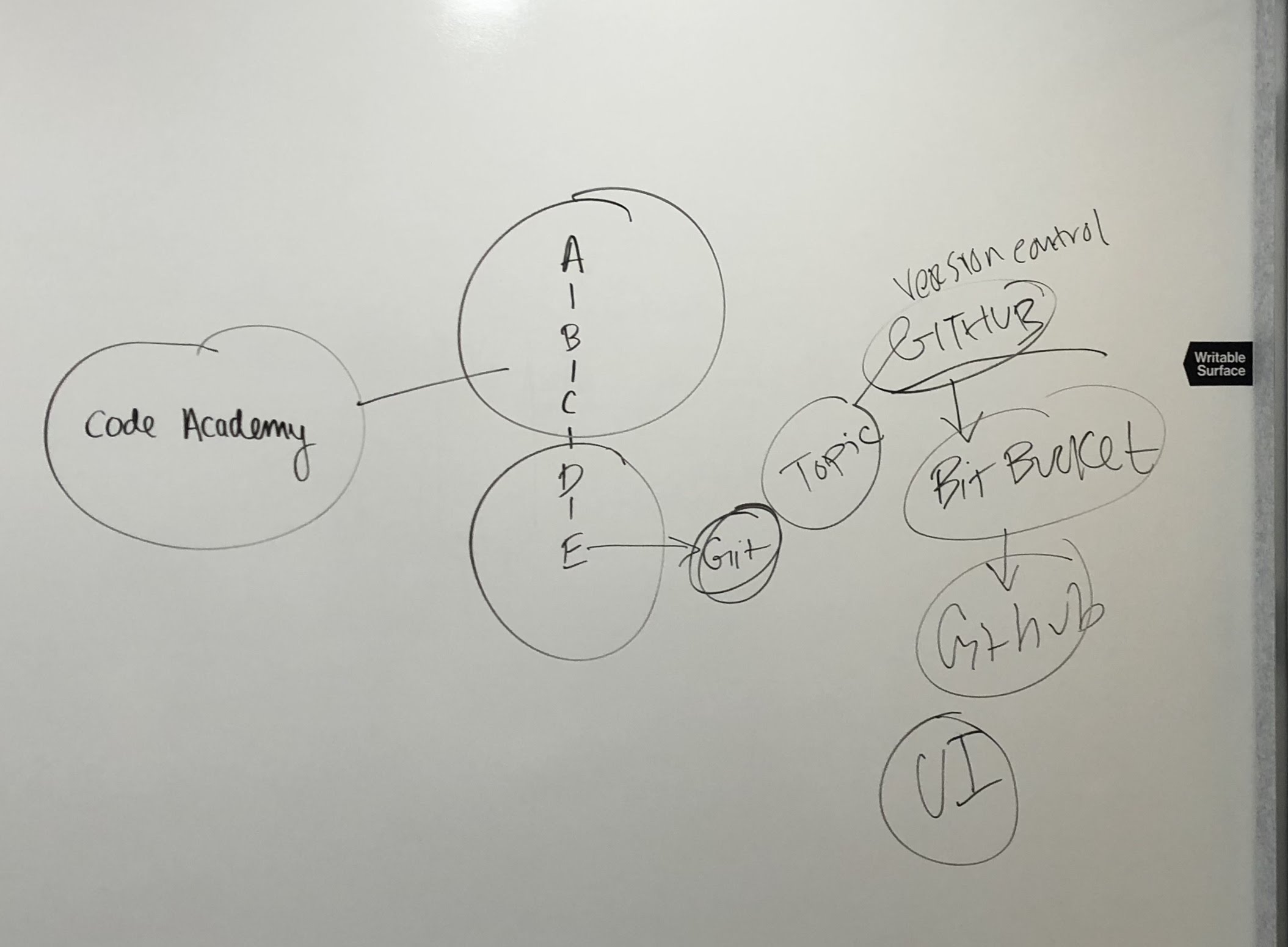

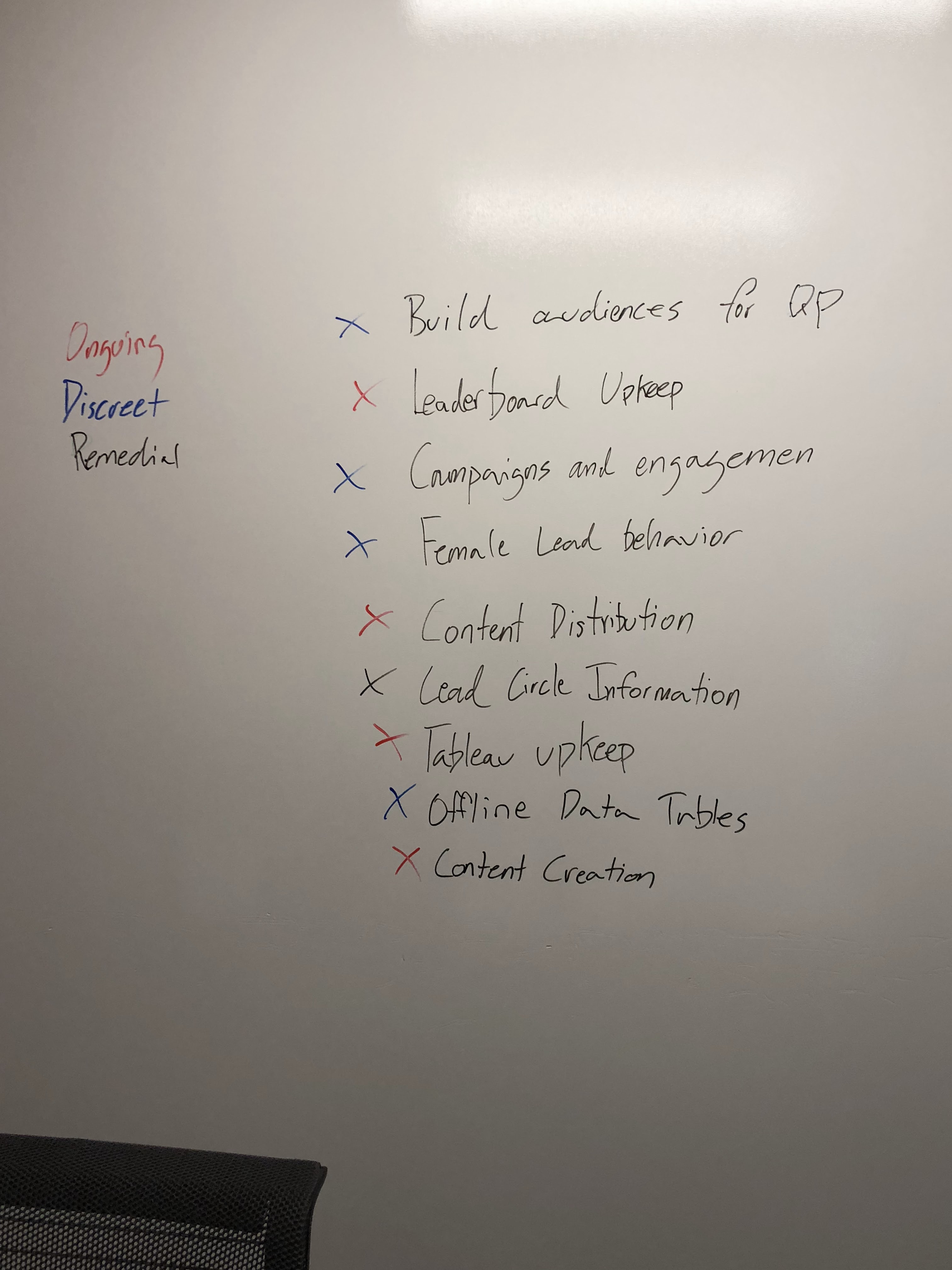
| SCRUM | Project Management, how it looked… |
We had daily 30 minute stand up sessions where we discussed the progress of the project. The development team had an external JIRA board which I monitored and we created a project road map dividing the project into sprints over 12 months. The first sprint ended with the launch of the product at F8, and we decided to postpone the production of the product until we understand how the users were using the launced product so that we would understand where exactly we should invest more money.
A bit more about the project
This product was intended to serve as an introductory tool to help developers go from University graduates with no practical work experience to entry-level developers with a few projects under their belts. There are many online resources for learning how to code, but some have a very high price tag per/ head so we did not have the budget to finance each person and other programs did not contain the practical personalized learning experience which has been proven to promote understanding and help the new learning process and digest new information. This was an important differentiating factor when thinking about how we would structure the program because we did not want to provide students with surface-level “Simon Says” projects because the learners would not be able to transfer the understanding to an employer and the value would be lost. We wanted to make sure to include multiple perspectives from a variety of content creators so that consumers with different learning styles would be able to consume the ideas being presented. This was really important in making sure that the funds we did have for this project were being managed well and would provide utility to our community.